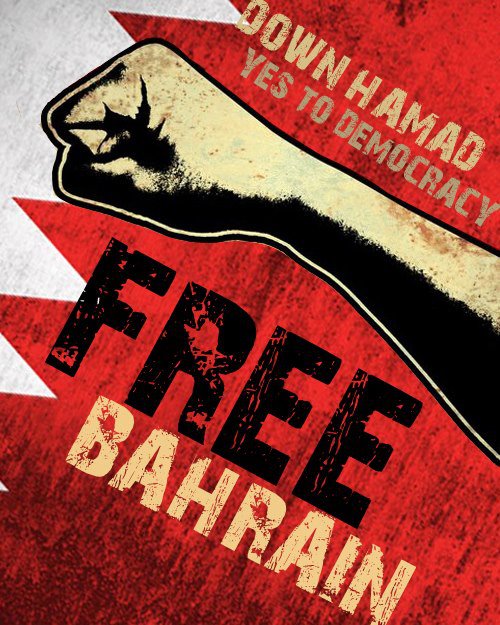
Nabeel Rajab “We Will Continue Our Uprising”
Bahrain Special: Interview with Nabeel Rajab “We Will Continue Our Uprising”
23 January, 2012 – by Josh Shahryar – EA World View
Two weeks ago EA’s Josh Shahryar spoke with Nabeel Rajab, the head of the Bahrain Centre for Human Rights. The interview came just after police had attacked a march in Manama, with Rajab at the front, and had allegedly beaten the human rights activist.
Since that interview, there have been further significant developments in Bahrain, including more marches, more clashes, and more deaths from tear gas and possibly from police abuse. Regime supporters claim that Rajab and opposition societies such as Al Wefaq are supporting violence against the security forces, while regime critics argue that little has changed despite the King’s promise to address the shortcomings identified in November’s report by the Bahrain Independent Commission of Inquiry.
Rajab himself returned to the political stage days after his chat with Shahryar, telling a massive rally that the Manama marches would continue. Equally important, he had a message for King Hamad. This was mis-reported by some prominent journalists, including Nicholas Kristof of The New York Times, as Rajab’s call for the monarch to step down. In fact, Rajab had said that, if the King wanted to retain the support of the people — who are the real power in Bahrain — then he had to make significant reforms quickly.
In light of these developments, Josh Shahryar resumed his discussion with Rajab yesterday. The activist discusses the future of the opposition movement, the problem of rising violence, the role he wishes the ruling family will play in reforms, and actions by the US and Britain if they are genuine in their concern about Bahrain.
What is the forthcoming strategy for the opposition, given that 1) the regime is not giving way on demands for substantial political reform; 2) marches are often blocked by security forces; and 3) there are claims of a violent minority growing amongst protesters?
I don’t believe violence is a policy of the opposition or that it is systematic. Lately we have seen some isolated cases of violence. We as human rights groups and the opposition in Bahrain disagree with violence and don’t think it could be the means for change for the better. However, we understand the frustration of the people. They are being arrested, tortured and their loved ones are being killed.
The other side [the regime] is offering no solutions. Due to political considerations and economic interests, the international community is ignoring these abuses as well. That is adding to the feeling of frustration. Then we see people getting killed because of tear gas to which the international community replies with more silence. Foreigners come to Bahrain, they demolish mosques, they rob houses, they destroy property. An indigenous opposition in this country exists that is now being crushed by foreign mercenaries.
I am very sad to see violence, I don’t think it will ever be a solution, but [the human rights groups in Bahrain’s] ability to control or to keep masses peaceful is limited because of the pervasive violence against them by the regime. The same is the case with the opposition — they can’t either. The deadlock and the continued oppression by the government is creating this violence and I’m afraid that this violence could increase in the face of oppression and silence by the international community.
Let’s make one thing clear, all is in the hands of the government. All we can do is create pressure locally and internationally. all the tools are in the hands of the government — the army, police and all institutions. The government doesn’t seem to have the willingness to make changes, especially since it is getting support from regimes like Saudi Arabia, who are helping with oppression to either stop or to hijack the revolution.
So we have to put pressure on those governments, social and economic, to take sides with the people who are being oppressed. Locally, we will continue our uprising. We can’t imagine any reason to stop now. We are at a stage where over 50 people have been killed, thousands have been injured, countless have been tortured. Human rights violations have been committed by many people in system including high-ranking members of the royal family, like two sons of the king. With all these huge sacrifices we have paid, I don’t think anyone is thinking of stopping the uprising. We will continue fighting for justice, democracy and freedom. We will try our best to keep it peaceful and maintain calm.
You mentioned Saudi Arabia. What has been the role of Saudi Arabia in the violence against Bahrain?
Saudi Arabia is working parallel to the revolution to cancel it. Across the Middle East, either, it is either giving money to stop revolutions or when they happen it tries to hijack them. And this is happening in places like Egypt. They have wealth to buy institutions and media to influence the outcome of revolutions. That has to be taken into consideration when people are fighting for democracy in this part of the world since Saudi Arabia is powerful in the Gulf and Middle East.
This is one reason why you don’t hear about Bahrain in the international media because most of the media in this part of the world are owned either by Qatar or the Saudis. These countries are ruled by regimes who are friendly with the government in Bahrain. That’s why Al Jazeera Arabic, which was actively covering all the other revolutions [in the Middle East and North Africa], is totally silent about Bahrain. That is why Al Arabiya continues to run material opposing the Syrian regime, but when it comes to Bahrain, they are on the government’s side. This is the case with all media owned by them [the Saudis].
What does King have to do to stay in power?
The truth is that this king had more support from the people than any other king from his family in the past 200 years because of the promises he made. This support even came from human rights organizations. We had hope.
In 2000, He was in the village of Sitra on a visit. People — civilians — lifted his car up with their hands and carried it around the village out of happiness and love. They shouted, “With our blood and life, we would sacrifice for you.” But that was ten years ago. Now 14 people have been killed in that village in the past few months. Now when they protest, they shout, “King Hamad! Step Down”. People have lost confidence in the king.
There should be a radical change for people to regain their trust in him. There should be a radical move that will bring confidence back. It is gonna have to be much more than what he did in 2000 to gain trust and confidence because people have lost trust in him and the regime. First of all, he must release all political prisoners. Then, he must bring the opposition together and ask their demands with them while treating them with dignity and respect and granting. Then, he must apply and implement all the demands they require. A big part of the opposition still isn’t asking for the overthrow of the government. Calls for his departure are not as deep-rooted. They only started when people started to get killed by security forces. His role may be negotiable.
The bottom line is that there should be real changes to satisfy people. The government has failed completely to address the people’s demand. The king’s image has become that of a man who doesn’t keep his word because of the number of promises he made and never fulfilled them. However, the government doesn’t seem to want to give anything.
If the Prime Minister is removed, will Nabeel Rajab and others sit down for talks with Crown Prince and other regime officials?
It will create a positive atmosphere, but will not solve the political problem. People talk about the system; that is the problem. You remove the Prime Minister and then what? Another Prime Minister from the same family for another 40 years? No matter what the prime minister does then – corruption human, rights violations, the murder of civilians -, you can’t remove him from power because he’s from the royal family. The people say that they need an elected government. The king is there by default, but he shouldn’t be able to decide everything — 70% of the ministries and 70% of all the high-ranking jobs in all institutions shouldn’t be only from one family [the ruling Al Khalifas].
Remove the prime minister, sure, but don’t bring someone from same family. Bring someone elected by the people. …more
January 23, 2012 Add Comments
Sanitas International the smiley face of death and despair
Sanitas International
1101 Pennsylvania Ave – 6th Floor NW – Washington DC 20004
Tel: 202.756.1961 – Email: info@sanitasint.com
Sanitas International is a strategic communications, public affairs, digital media and political advisory firm. Based in Washington, D.C., the firm develops innovative strategies and high-stakes solutions for a broad range of clients located in some of the most challenging environments around the world. The firm also develops strategies for clients looking to influence legislation and public opinion both in Washington, DC, throughout the United States and in specific markets abroad.
Everyday Sanitas addresses challenges for a diverse portfolio of global clients, providing innovative and creative solutions tailored specifically to each of their needs. Sanitas handles some of the most critical issues influencing global policy, affecting the bottom line of international corporations and tarnishing the reputation of young leaders. The company also specializes in communications, branding and political strategies in developing countries and emerging markets around the world and we support client specific sectors such in the fields of Defense, Manufacturing, Energy, International Affairs and Veteran Affairs. …more
January 23, 2012 Add Comments
US Lobby for Repression in Bahrain
Lobbyists for Bahraini repression
06 January, 2012 – Angry Arab News – by As’ad AbuKhalil
“In November the Washington Times posted an article favorable to the Bahraini regime. The article was written by a former U.S. 5th fleet commander who later became a Lockheed Martin executive. It turns out that the article was placed in the Times at the request of the Sanitas lobbying firm which works on behalf of the Bahrain government. The article urged the U.S. government to support the Bahraini government in cracking down on pro-democracy protesters in Bahrain. While deploring the violence the U.S. in effect did support the crackdown and said nothing against the sending of GCC troops into Bahrain to help quash the protests.” (thanks Saeed)
…source
January 23, 2012 Add Comments
Headed for a showdown – A year of revolution: Lessons learned in Egypt’s uprising
“There is no politics except street politics… when people are there with their bodies expressing their agency and will,” said software engineer and independent activist Alaa Abd El Fattah. Abd El Fattah believes that it took the military’s atrocities and violence against civilians to bring Egyptians around to viewing the SCAF critically, which they should have done from the beginning.
A year of revolution: Lessons learned
by Mohamed Elmeshad – 22 January, 2012 – Egypt Independent
On 11 February 2011, jubilation broke out in Tahrir Square after Vice President Omar Suleiman announced a victory for the revolutionaries. The belief was that with Mubarak’s departure, Egypt’s political situation would radically improve. While some revolutionaries held their applause at the ominous prospect of an interim military-led government, the majority celebrated.
It was only a matter of time before the rest of the revolution’s goals would be achieved. Social justice was just around the corner. Corruption’s lynchpin was gone, and his underlings were soon to follow.
Almost a year has passed, and many of the same revolutionary forces plan to take to the streets to demand many of the same things they demanded last 25 January. This year’s protests can potentially be a new launching point for the revolution and a second attempt to put the country back on course toward change.
So why do the revolutionaries find themselves going back to the same place with the same demands? For many, 11 February, 2011 was a time to leave the square, and give up what is undoubtedly the revolution’s most powerful weapon, street protests, to begin work on building Egypt anew. According to many revolutionaries, this was the first and most prominent mistake.
“The most important mistake the revolutionaries made was to leave the square so easily and allow the Supreme Council of the Armed Forces to assume power unopposed,” said Marwa Farouk, an activist and member of the Popular Alliance Party.
Street protests drove Mubarak out, and have arguably had the greatest effect in winning many of the concessions made by the Supreme Council of the Armed Forces, despite the SCAF’s consistent berating and bashing of protesters. After 8 July, Prime Minister Essam Sharaf was forced to reshuffle his cabinet. The November protests and the clashes on Mohamed Mahmoud Street forced the SCAF to introduce an entirely new cabinet and abandon plans for a set of supraconstitutional principles, while finally announcing that they would hand over power to a civilian government by July.
“There is no politics except street politics… when people are there with their bodies expressing their agency and will,” said software engineer and independent activist Alaa Abd El Fattah.
Abd El Fattah believes that it took the military’s atrocities and violence against civilians to bring Egyptians around to viewing the SCAF critically, which they should have done from the beginning. …more
January 23, 2012 Add Comments
Basic food Prices shoot up in Saudi Arabia’s Eastern Province
Prices shoot up in Eastern Province
By ARAB News – 23 January, 2012
DAMMAM: Prices of a number of basic commodities including baby milk, vegetables and cosmetics have gone up about five percent in recent weeks in the Eastern Province, business daily Al-Eqtisadiah reported Sunday, quoting a number of consumers from the region.
The residents asked the government authorities concerned to intervene quickly to put an end to the “unjustified price hikes.”
The residents called for the intensification of inspection tours of shops and pharmacies to check the prices of foodstuffs, including sugar, meat and baby milk, and other commodities that were raised by between SR9 and SR13 without previous notice.
They said less than a month after the announcement of the general budget, the prices of these commodities were increased by more than five percent.
The consumers questioned the usefulness of the market inspection teams and demanded uniform prices for the same items in shops and pharmacies. They also wondered if the Consumer Protection Association existed in the region.
They called for a telephone number through which they could reach the officials in charge of prices, whether at the Ministry of Commerce in case of commodities or the Health Ministry for medicines.
The residents asked the authorities concerned to impose punitive measures on violating shops including fines, defamation and final closure of the premises.
According to some pharmacists who spoke on condition of anonymity, the prices of baby milk were raised by SR5 to SR9, while cosmetics were raised by SR3 and diapers by SR5 to SR10. They noted that prices of the same commodity differed from one pharmacy to another even though they might be only 500 meters apart.
The pharmacists denied they have any hand in the price hikes and said it was the company owning the pharmacy that decides the price of each commodity.
Chairman of the Eastern Chamber of Commerce and Industry Abdul Rahman Al-Rashid said the chamber had nothing to do with the rise in the prices of foodstuffs, vegetables and baby milk. “This is the responsibility of the Commerce Ministry, not the chamber,” he said.
Al-Rashid said the chamber was not authorized to check prices, but it had been constantly asking traders not to increase prices.
He also said shops that offered sales would inform the chamber, which in turn would address the Commerce Ministry to agree or refuse.
…source
January 23, 2012 Add Comments
The Bomb: Iran, Saudi Arabia, and Pakistan
The Bomb: Iran, Saudi Arabia, and Pakistan
By Pervez Hoodbhoy – 22 January, 2012 – International Herald Tribune
The writer currently teaches physics and political science at LUMS. He taught at Quaid-i-Azam University for 36 years and was head of the physics department. He received a doctorate in nuclear physics from the Massachusetts Institute of Technology
Once upon a time Iran was Pakistan’s close ally — probably its closest one. In 1947, Iran was the first to recognise the newly independent Pakistan. In the 1965 war with India, Pakistani fighter jets flew to Iranian bases in Zahedan and Mehrabad for protection and refuelling. Both countries were members of the US-led Seato and Cento defence pacts, Iran opened wide its universities to Pakistani students, and the Shah of Iran was considered Pakistan’s great friend and benefactor. Sometime around 1960, thousands of flag-waving school children lined the streets of Karachi to greet him. I was one of them.
The friendship has soured, replaced by low-level hostility and suspicion. In 1979, Ayatollah Khomenei’s Islamic revolution, and the Soviet invasion of Afghanistan, set major realignments in motion. As Iran exited the US orbit, Pakistan joined the Americans to fight the Soviets. With Saudi money, they together created and armed the hyper-religious Pashtun mujahideen. Iran too supported the mujahideen — but those of the Tajik Northern Alliance. But as religion assumed centrality in matters of state in both Pakistan and Iran, doctrinal rifts widened.
These rifts are likely to widen as the US prepares for its withdrawal from Afghanistan. Iranians cannot forget that in 1996, following the Soviet pullout from Afghanistan, the Taliban took over Kabul and began a selective killing of Shias. This was followed by a massacre of more than 5,000 Shias in Bamiyan province. Iran soon amassed 300,000 troops at the Afghan border and threatened to attack the Pakistan-supported Taliban government. Today, Iran accuses Pakistan of harbouring terrorist anti-Iran groups like Jundullah on its soil and freely allowing Lashkar-e-Jhangvi and its associates to ravage Pakistan’s Shia minority. Symptomatic of the grassroot-level change, Farsi is no longer taught in Pakistani schools.
On the other hand, Saudi Arabia’s footprint in Pakistan has grown steadily since the early 1970s. Pakistani leaders, political and military, frequently travel to the Kingdom to pay homage or seek refuge. The dependency on Saudi money grew. After India had tested its Bomb in May 1998 and Pakistan was mulling over the appropriate response, the Kingdom’s grant of 50,000 barrels of free oil a day helped Pakistan decide in favour of a tit-for-tat response and cushioned the impact of sanctions subsequently imposed by the US and Europe. The Saudi defence minister, Prince Sultan, was a VIP guest at Kahuta, where he toured its nuclear and missile facilities just before the tests. Years earlier Benazir Bhutto, the then serving prime minister, had been denied entry. ..more
January 23, 2012 Add Comments
Writing your US Congressman might make you feel good, call and meet with them, look them in the eyes, tell them King Hamad must be stopped – now thats an accomplishment
January 23, 2012 Add Comments
Bahrain: “Free Earplugs for every Citizen”
Bahrain: “Free Earplugs for every Citizen”
22 January, 2012 – ahlamoun.com
Boarding any overnight plane, the crew out of courtesy usually distribute free earplugs in case you needed to block noises from nearby passengers, a service I bet someone somehow thought that its a genius idea, one must use it in the Arab Governments!
“Free Earplugs for every Citizen” is “apparently” the campaign being ran, an attempt to block all Arab voices supporting the Pro-Democracy movement in Bahrain.
I believe that no feeling mounts to the feeling that you are standing blindfolded with no one holding the ground beneath you, and as you shout for freedom, the person next to you whom you expect to unite his voice to yours, is in utter silence!!
And then comes the shocking discovery that there are many voices behind you but someone has planted earplugs to block those voices from charging your spirit!
Visiting Tunisia last month alerted many sensors I passed by to the earplugs planted, and here are the incidents I have encountered with Arab Activists and ordinary yet extraordinary Arab citizens I have talked with during my visit.
Before exploring the outcome of the visit, I’d like to briefly state my observation on the channels of Communication when it came to Arab Spring and Bahrain in particular.
There are many channels to communicate with people who are miles apart, to know their updates and share yours. For example, Newspapers, Television and Online Social Media. And as the 14Feb events clearly taught us that Arab Media Channels are gravely controlled by governments or certain groups with wicked agendas. Therefore we had one platform to share true narrative of events, which was Social Media, and we have massively succeeded on an international level with one fatal exception, the Arab’s region level!
Social Media phenomena like Twitter, Facebook and Youtube can only be effective if it is embedded in the culture that encourages it and if you have the proper Networks which are equip to handle the pressure.
And this is the case in Bahrain and most of the Gulf countries who even if they didn’t have the money to buy iPhones and Blackberries, company’s exploited the profit behind the Arab Spring social effect by providing many installment plans to encourage people to buy.
My best friend’s mother and my previous boss at work who never thought of using other than a phone which calls and sends/receives text messages, the first bought a BlackBerry and the other now has 2 iPhones! When I asked for the reason behind this technological transformation, the answer was “To be up-to-date and know what is happening in Bahrain”.
The use of social media was not limited to normal users in Bahrain, high ranking government officials like the Bahrain’s Minister of Foreign Affairs -”who is, by the way, not doing a good job, not even for the government loyalists followers” and many Political and Human Rights organizations used this platform to broadcast major announcements and interact with people locally and globally. You can sense this integration when you read the Headline of a Bahraini newspaper starting by “The Ministry of Interior on tweeted last night that …..”.
Jehad, a journalist and an activist from Lebanon gave a comment during a Social Media Forum saying “I have seen the extensive use of social media only in Gulf Countries like Bahrain and Kuwait with high ranking officials from government and opposition political parties”.
Another European journalist who came to to write a story about Bahrain, when I had plans to meet her, she clearly mentioned in her email :” Please don’t assume that I can access emails all the time, let’s plan one day before, because I have noticed that many people in Bahrain are using iPhones most of the time, even while being oppressed by the government in a protest”.
The downside of this, is that this culture is not as wide-spread in other Arab countries as it is in Bahrain, which has created a huge gab and helped block voices from reaching us and our voices from reaching them since tremendous focus is put on social networking- which I do not disagree with at all.
Therefore, field visits, conferences and forums are vital and important to spread the word and have a better understanding of how is our 14Feb Movement is perceived and to engage in conversations and small talks with people to sense the true vibe on the arab streets – and that was the plan I had in mind during my visit to Tunis.
On the 17th December 2011, the Tunisian Revolution Anniversary day, I wrapped around me the flag of Bahrain and took my camera (something I used to do back in the days) and marched on the streets of Tunis to bring more awareness about Bahrain and welcomed random questions from people in coffes-shops, pass-byers and shop owners asking about “Who’s Flag is this?” and “How is Bahrain?” – and I had the most interesting and enlightening conversations since March 2011 !
The Flag of Bahrain got mixed up a lot with a Tunisian sports club named “African Club” who had similar colors and stripes, one from far would think that I am a devoted African Club fan.
That mixed up helped provoke many conversations, people stopped and asked “Oh, African Club fan, huh?” .. and I wave the flag of Bahrain in the middle of the road asking them to not only recognize the Flag but to know the daily struggles of a revolution being wiped up by media.
As I was walking on Al Habeeb Burqeba Street, the Old Souq long streets and their outdoor and indoor bookshops, I have only sensed the genuine prayers and tremendous support. …source
January 23, 2012 Add Comments
The false narrative of Sunni-Shi’a confrontation in the Middle East
Do You Really Want to Pull at That Thread
21 January, 2012 – IRD
Framing the regional power struggle as a Sunni-Shi’a confrontation could have dire consequences for the Middle East.
If you are a Tehran-based media correspondent, or a tourist having had the courage to defy anti-Iran stereotypes and visit our country, kindly take a walk in downtown Tehran, engage in a small talk with a religious Iranian and ask them a little bit of general knowledge quiz: what Islamic denomination does the Assad family follow? Fearless of the USD skyrocketing exchange rate in Tehran, I bet one hundred bucks that they identify the family as Sunnis. Should they be more informed, and know of Assads’ Alewite background, ask them if Alewites are Shi’as; two hundred bucks says that their answer is a no, and at that moment you may also observe a look of surprise on their face; despite the fact that Damascus is one of the most popular pilgrimage destination for the religious Iranian, as it hosts the tomb of Zeinab, daughter of the first Shi’a imam, Ali, and an iconic figure in the Shi’a history.
I’m not surprised if the Western media label the Syrian government as Shi’a. Their lack of knowledge on the Middle East fabric is sort of a given (even the Bush administration seemed to have no idea until it saw Iraq slide into a sectarian war.) But why has the BBC Persian, or the Turkish Today’s Zaman, taken a liking in equating Alewites and Shi’as? They could not be pardoned with this mistake. Or is it really a mistake? Noticing how this polarized framing could pay dividends, one has all the right to hesitate when calling it a mistake. After all, this narrative easily puts the struggle between the regional powers to take helm of the Arab Spring in their hands, and their fierce battle over Syria, into the age-old context of the Sunni-Shi’a schism. It gives substance to ferocious anti-Assad policies of Ankara, Riyadh and the biting-more-than-it-can-chew Doha. It turns painfully funny when even the Israeli Ha’aretz tries to aggrandize the rift, reporting of Hamas crackdown on Shi’a community in Gaza
But do you really want to pull at that threat? After all, the consequences of this divisive policy may happen to be less than beneficial for its propagators, at its best turning their Middle East conquest into a pyrrhic victory. A quick glance at demographics of the region won’t make us any harm: Iran, holds a substantial 89% of Shi’as, this figures amounts to (minimums considered) 65% for the Republic of Azerbaijan (deeply secularized under the Soviet rule –and later the Aliyevs, but showing a burgeoning interest in its ancestors’ faith), 65% in Iraq (as a de facto rule, the prime minister, the most powerful authority in the country, is Shi’a), 30% in Lebanon (largely represented by Amal and Hezbollah), 60% in Bahrain (whose uprising against institutionalized discrimination suffers media blackout, simply because they have made the unforgivable sin of following the wrong denomination) and 30% in Kuwait.
…more
January 23, 2012 Add Comments
F1 Workers Continue to Pay Heavy Price for Noviolent Pro-Democracy Protests last spring
Testimony: Bahrain Formula 1 tortured employee: “In the chamber of Death, I fainted”
22 January, 2012 – Bahrain Center for Human Rights
The following testimony is for an employee in Bahrain International Circuit (BIC) – the host of Formula1 in Bahrain-, who was tortured behind the offices of (BIC) on 7 April 2011, before getting arrested and tortured even more at the detention centres, along with another 25 other employees. The occurrence of torture has been confirmed by multiple reports including Bahrain Independent Commission of Inquiry, which was appointed by the king. However, many of those involved in torturing, including the ones mentioned in this testimony are still free without accountability. Even after exposing this testimony over Twitter, the victim of torture has received threats for doing so. BCHR keeps identity of the employee private.
The employee’s testimony:
7 April 2011 – I was attacked while I was working at my office. When a group of security officers crushed into my office, appointed the weapon to my head and dragged me, even more they insulted and cursed me, I was in extreme shock. I did not know what is happening and why it is happening. I asked Mr. Bushara Abdo Bushara, BIC Security Manager, what was happening, but the latter slapped me and insulted my mother’s honour with the ugliest and dirtiest words. They put me on the ground, handcuffed me and beaten me severely. One of the intelligence put his foot on my face with the full weight of his body until I felt that my breath would go away. Moreover, they dragged me on ground next to the elevator, cursing and asking me wired and vulgar questions like “How many times did I have sex in roundabout”.
After that, they took me to an isolated room, as soon as I arrived there a Pakistani officer slapped me and insulted me. Few minutes later, the officer came with a picture of my daughter saying “Is this your baby girl?” He started laughing hysterically and said that I would never see her again as I was sentenced to death. I was bleeding nearly for two hours. Then, I was pulled, beaten, insulted, kicked and thrown in a bus full of the other staff, who were not in a better condition.
We, the staff of formula1, have faced many insults, verbal abuse and torturing in our way to Riffa Police Station. When we arrived, a police woman laughed and asked the officer how many sheep do they had this time, and He replied “25 sheep and one goat!” They kept us all in one room blindfolded and asked us to face the wall, that’s when they started beaten us brutally. I was hearing my colleagues screaming as they were subjected to electrical shocks. Later, I reached the maximum, I was in severe pain and I screamed “give me a pen and paper. I will sign and write whatever you want of charges, just stop!”
I didn’t feel my hands as they were handcuffed to my wrist so tight, preventing the blood to reach the veins. I received blows by whips and batons all over my body and my hands. Torture continued for long hours in that room, the room of Formula1 staff. Furthermore, we asked for water, they responded to us with whips and water mains, and replied “You do not deserve even water and will not drink any drop”. By then, they dragged me into a room called the Chamber of “Death”. The corridor leading to that room was full of officers who enjoyed beaten me with all tools that come to mind!! …more
January 23, 2012 Add Comments
King Hamad Release the Political Prisoners
Bahrain: Widespread Crackdown; Systematic Abuse
Release People Convicted for Nonviolent Political Offenses
22 January, 2012 – Human Rights Watch
(Beirut) – Bahrain’s government should address serious and systematic abuses that officials and members of its security forces committed during a widespread crackdown on anti-government protests, Human Rights Watch said today in releasing its World Report 2012. The authorities should release hundreds of people convicted of crimes solely for exercising their rights to freedom of speech and assembly, and ensure that security forces stop using excessive force against protesters. Clashes between security forces and protesters have claimed the lives of more than 45 people.
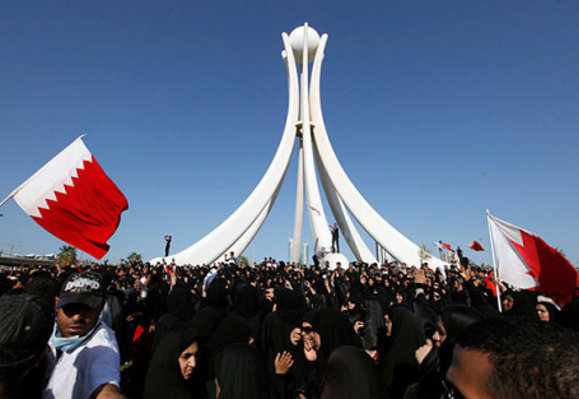
Partly inspired by pro-democracy demonstrations in Egypt and Tunisia, Bahrainis took to the streets calling for greater political rights in February 2011. Hundreds of Bahrainis camped in Pearl Roundabout in Manama, which immediately became the symbol of the movement. On February 14, authorities used lethal force to suppress peaceful pro-democracy demonstrations in Pearl Roundabout, killing one protester and wounding many more. Before the year was out, hundreds of people accused of involvement with the protests had been sentenced to prison in unfair trials, many in military courts.
“Since the crackdown on the protests authorities have violently suppressed peaceful demonstrations and silenced dissident voices through arrests, torture, and job dismissals,” said Joe Stork, deputy Middle East director at Human Rights Watch. “But people in Bahrain, and throughout the region, have made it clear that violent suppression isn’t going to make the issues go away. People want their rights.”
In the 676-page World Report 2012, Human Rights Watch assesses progress on human rights during the past year in more than 90 countries, including popular uprisings in the Arab world that few would have imagined. Given the violent forces resisting the “Arab Spring,” the international community has an important role to play in assisting the birth of rights-respecting democracies in the region, Human Rights Watch said in the report.
In mid-March King Hamad bin Isa Al Khalifa declared a state of emergency that gave sweeping power to security and military forces to end protests. King Hamad also established special military courts that sentenced more than 250 people to heavy punishments, including the death penalty in some cases. The state of emergency was lifted in June but the special military courts continued until October to try civilians associated with the protest movement.
In the wake of the crackdown, public and military prosecutions brought various charges against demonstrators and others who supported the protesters. The charges included “inciting hatred against the regime,” participating in “illegal” demonstrations, “spreading false news,” and “harming the reputation” of the country. Opposition leaders, rights activists, and professional people were among those convicted.
Most of the defendants were held for weeks deprived of contact with lawyers and family members and then sentenced to long jail terms on political charges in unfair trials, Human Rights Watch said.
Employers in both the public and private sectors dismissed or suspended more than 2,500 workers during the first half of 2011. In most cases the stated reason for dismissal was absence from work during the protests, but the dismissals appear to have been reprisals for participating in the demonstrations or supporting them. Many dismissed employees have since been reinstated, but many say they have been assigned to different jobs and obliged to sign a pledge of allegiance to authorities. …more
January 23, 2012 Add Comments
Saudi Arabia: the Middle East’s most under-reported conflict
Saudi Arabia: the Middle East’s most under-reported conflict
by Toby Matthiesen – Guardian – 23 January, 2012
As the British prime minister, David Cameron, visited Riyadh in mid-January, wooing Saudi business and strengthening bilateral relations, a young Shia man in the eastern province was shot dead.
Following the kingdom’s huge arms deal with the United States, Cameron apparently wanted to persuade the Saudis to buy Typhoon Eurofighters. His visit was a slap in the face for protesters, who are demanding human rights and more of a say in their country’s affairs.
In the week beginning 16 January thousands of people – activists say tens of thousands – took to the streets of Awwamiya in the eastern province to commemorate the death of Issam Muhammad Abu Abdallah, aged 22. He had been shot by Saudi security forces on the night of 12 January.
According to the interior ministry, the security forces were defending themselves after a police car had been attacked. Activists and local Shia news websites acknowledge that the police were attacked, but argue that the police used force indiscriminately. Issam’s funeral turned into a large rally at which emotions ran high and anti-government slogans were chanted.
These events are just the latest episodes in one of the Middle East’s most under-reported conflicts. Last year, Shia citizens in the eastern province took to the streets just days after the uprising started in neighbouring Bahrain on 14 February. Their protests were largely peaceful and they were hoping that Saudis in other areas would join them on a planned “day of rage” in March.
This day passed without major demonstrations, even in Shia areas, as the Shia protesters had allegedly been told their grievances would be addressed if they stayed at home. Those promises were never fulfilled, however, and the state chose to arrest the leaders of the demonstrations over the summer, further inflaming the situation.
Instead of using such repression, the regime should have addressed the grievances of the protesters, including the release of political prisoners. The Saudi Shia minority, mainly located in the eastern province, has long complained of discrimination in government employment and business, as well as restriction of religious practices. Initially, the protesters were not calling for the downfall of the monarchy but as repression intensified (demonstrations are illegal in Saudi Arabia) some did and also started attacking the security forces. …more
January 23, 2012 Add Comments
Treatment of Political Detainees in Bahrain’s Prisons
Report on the Treatment of Political Detainees in Bahrain’s Prisons
21 January, 2012 – BCHR
Prepared by the Bahrain Rehabilitation & Anti-Violence Organisation (BRAVO) and the Bahrain Centre for Human Rights (BCHR) for the International Committee of the Red Cross.
Introduction
Since the popular uprising calling for greater political and civil rights started in Bahrain on 14th February 2011, well over 3000 people have been arrested by the authorities and continue to be arrested, according to the Bahrain Independent Commission of Inquiry (BICI). Many of those who were detained or imprisoned by the government in relation to the events have described substandard conditions at various detention centres around Bahrain, particularly at central prisons whilst systematic torture seems to be continuing in local detention centres where unconvicted prisoners are held. This report attempts to highlight areas where treatment of political detainees at these detention centres falls short of the Standard Minimum Rules for the Treatment of Prisoners (SMRTP) adopted by the First United Nations Congress on the Prevention of Crime and the Treatment of Offenders (Geneva 1955). The research methodology adopted is based on extensive interviews conducted with prisoners recently released and incorporates consistent reports that the Bahrain Center for Human Rights (BCHR) receives from families of prisoners.
Report content:
1. Discrimination against political detainees
2. Separation of prisoner categories
3. Accommodation
4. Clothing and bedding
5. Food
6. Exercise and sport
7. Medical care
8. Discipline and punishment
9. Instruments of restraint
10. Information to and complaints by prisoners
11. Contact with the outside world
12. Books and formal education
13. Religion
14. Notification of death, illness, transfer, etc.
15. Conditions in local detention centres.
January 21, 2012 Add Comments
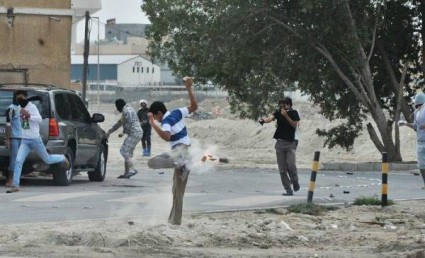
Police misuse “less than lethal” weapon as lethal projectile, intended victim narrowly escapes direct hit
January 21, 2012 Add Comments
New phase of State Violence against Opposition, Bahrain Police and Viligante groups pair up for funerals attacks
Bahrain spirals into escalating violence
22 January 2012 – Trend
Bahrain has spiraled into escalating violence on the streets in recent days, several weeks after an independent commission report into last year’s violence was released in November, dpa reported.
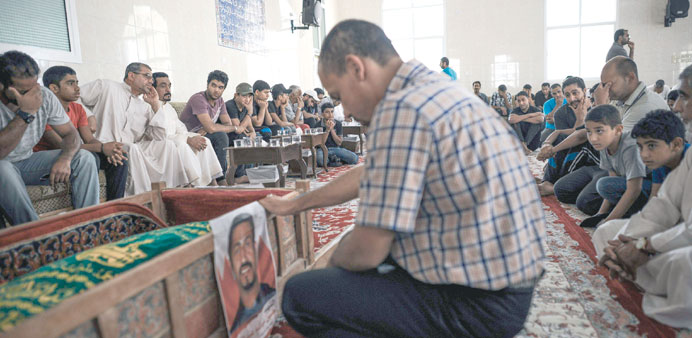
On Saturday police and pro-government supporters clashed with hundreds of mourners in Muharraq, north of the Bahraini capital Manama, as they marched in the funeral of 24-year-old Yousif Muwali, who died in controversial circumstances on January 13th.
Muwali had gone missing on January 11th before his body was found on the sea-shore. Authorities say he died after drowning at sea, while relatives claim that he died in police custody and later had his body dumped by the shore.
The body was released to the family Saturday morning, but the authorities declined to authorize a funeral march. Mourners attempted to march inside the graveyard but clashes broke-out as they tried to head from the graveyard to a near-by street.
The clashes, which initially broke out with pro-government Sunni supporters as they tried to lock the mourners in the graveyard, were an unprecedented escalation in an area with large Sunni and Shiite residential mix, taking place inside the graveyard, a sacred location for Muslims.
The clashes left several injuries and several cars of people taking part in the funeral were damaged. The vice chairman of the opposition grouping Ekha, Ali Yousif Qodrat, was detained by police after they stormed the graveyard firing tear-gas.
The police action was backed-up by pro-government supporters armed with sticks and hurling rocks at mourners from various sides of the graveyard, before police finally stopped their assault but allowed them to remain in the vicinity and behind police lines.
Shortly after the clashes, several Shiite-owned businesses were vandalized by the pro-government supporters, in a repeat of the sectarian targeting seen in February and March of last year when the pro-reform protests broke-out.
Clashes were also reported in several areas across the small Gulf island on Saturday, with tire-burning protests to demand the release of political detainees.
In November a commission set up by Bahraini King Hamad bin Isa al-Khalifa found that excessive force had been used against pro-reform protesters in a crack-down that began in mid-March with the introduction of martial law for almost 3 months, before being lifted.
Since the report’s release, some proposed reforms had been pushed forward by the government, but the key demands of the protesters have not been addressed while scores of people remain detained or facing trials, including political and religious leaders, medics, and other professionals.
The death toll from protest-related also continued to mount, surpassing 50 so far since February 14th, with many in the opposition now vowing to re-ignite the large protests by the first anniversary if the demands of political reform are not met. Those include a constitutional monarchy with a fully elected legislature and government.
Hardliners in the opposition and on the street continue to call for bringing down the regime.
The opposition protests in Lulu roundabout, in the heart of the capital, have attracted massive turnout for a month, before the authorities moved in against them taking control of the site.
The protest site remains locked-down and guarded by heavy security with protesters regularly attempting to retake it unsuccessfully. Tight security presence also remains across most parts of the country, with several protests flaring up on an almost daily basis.
Pro-government supporters have also escalated their tone in recent weeks, with some demanding strict implementation of anti-protest laws and vowing to stand-up against opposition groups. …source
January 21, 2012 Add Comments
Nasrallah Thanks UN Secretary General
Nasrallah Thanks UN Secretary General for Worrying about Hezbollah’s Growing Strength
By Adib S Karwar – Axis of Logic – 15 January, 2012
Sayyed Hassan Nasrallah secretary general of Hezbollah in a speech in Baalbek – Lebanon on Saturday January 14th declared that he would like to thank Mr. Ban Ki Moon Secretary General of the United Nations for worrying about Hezbollah’s growing military strength.
Sayyed Nasrallah on Arbaeen: “Our Certainty of this Right Path Is Increasing.”
Responding to Ban Ki-Moon
From here, Hezbollah secretary General reiterated holding on to the resistance’s path and arms, and assured that these, in addition to the army and people, are the only guarantee to Lebanon’s security, dignity, and stability.
Nasrallah responded to Ban Ki-Moon’s Friday stance which he released in Lebanon demanding the disarmament of Hezbollah:
“Yesterday, I felt happiness when I heard UN Secretary General Ban Ki-Moon saying that he was concerned of Hezbollah’s military power. I tell him that this relieves us and makes us happy, because we want you, America, and Israel to be concerned. We don’t care about that, we only care that our people feel secure because there is a resistance in Lebanon that will not allow any captivity, occupation, or violation to their dignity.”
“I say to him and to the entire world that this armed resistance will remain, continue, and expand in its power, capability, and readiness, and its certainty that it has taken the right choice is increasing. From the experience in Lebanon, Palestine, Iraq, and all the regions that witnessed occupation, we ask: What was the result of relying on the Arab League, the Arab regimes, the Islamic Conference Organization, the United Nations, the Security Council, the European Union, and such organizations?”
He continued:
“The result is that Palestine is still under occupation, over 10,000 Palestinians are still in captivity, millions of Palestinians are still displaced outside their countries, and Al-Quds is being violated daily and Judaized by the Zionists.
“On the other hand, the resistance in Lebanon, which believed in God and wagered on the power of its fighters and support of its people, achieved liberation, so did the resistance in Gaza and in Iraq.”
On the internal security level, his eminence stressed Hezbollah’s compliance with civil peace and stability, and stressed that political differences on any issue must not affect security and civil peace.
“I call for this commitment and emphasize that preserving security and confronting crimes in all the regions is the responsibility of the government, army, and security apparatuses.”
[Read more →]
January 20, 2012 Add Comments
U.S. and Israel Coordinate Strategy Against Iran
U.S. and Israel Coordinate Strategy Against Iran
by blackandred – 20 January, 2012 – Mostly Water
US Joint Chiefs of Staff chairman General Martin Dempsey arrived in Israel yesterday for talks on Iran with top military and political leaders. As the Obama administration escalates its confrontation with Tehran, the obvious purpose of Dempsey’s visit is to coordinate hostile moves by the two countries against Iran.
Both sides have deliberately downplayed the prospect for an impending military strike against Iran. Israel’s Defence Minister Ehud Barak told Israeli radio on Wednesday that any attack on Iran’s nuclear facilities was “very far off.” Asked if the US had pressed Israel for advance notice of any strike, he insisted that no decision had been made on military action. “I don’t suggest that we deal with this as if it’s about to happen tomorrow,” he said.
The US and Israel announced on Monday that their largest-ever joint war games, Austere Challenge 12, would be postponed until later this year. The exercise, involving thousands of US and Israeli soldiers, was to test Israel’s anti-missile defence systems — the unstated rationale being likely Iranian retaliation in the event of US or Israeli attack.
The delay has been widely interpreted in the media as evidence that the US is seeking to ease tensions in the Persian Gulf and ensure that Israel does not carry out a unilateral strike on Iran. Israeli Foreign Minister Avigdor Lieberman cited “diplomatic and regional reasons, the tensions and instability” as factors in the postponement.
No one should accept these statements at face value. The US has been inflaming tensions with Iran since the beginning of the year. President Barack Obama has signed into law a measure designed to penalize foreign corporations doing business with Iran’s central bank and thus choke off Iranian oil exports. European Union foreign ministers are due to meet on Monday to finalize details of an embargo on the purchase of Iranian oil. …more
January 20, 2012 Add Comments
Counting the Cost of War Alliance
Worries Mount over Blowback of Israeli Attack on Iran
By Barbara Slavin – 18 January, 2012 – IPS
WASHINGTON, Jan 18, 2012 (IPS) – A former senior adviser on the Middle East to the last four U.S. presidents says that “the negatives far outweigh the positives” of war with Iran and the United States should augment Israel’s nuclear weapons delivery systems to dissuade it from attacking the Islamic Republic.
Bruce Riedel, who served on the White House National Security Council and dealt extensively with both Israel and Iran, told an audience Tuesday at the Atlantic Council, a Washington-based think tank, that while an Iran with nuclear weapons would be a significant strategic setback for the United States and Israel, deterrence and containment were preferable to military force.
He criticised those, including all but one Republican presidential candidate, who discuss an attack on Iran’s nuclear installations as though it would be “over in an afternoon or a couple of weeks”.
“I don’t use the term ‘military strike,’ ” Riedel said. “We will be at war with Iran. Once we begin it, the determination of when it ends will not be a unilateral one… This could become another ground war in Asia.”
The global economy would suffer a huge blow from spiking oil prices, and U.S. personnel in Iraq and Afghanistan would be likely targets of Iranian retaliation, Riedel said.
The consequences would be especially dire for Afghanistan because Iran could become a second sanctuary, after Pakistan, for Taliban militants. In that event, “the chances of success in Afghanistan on the timeline the (Barack Obama) administration has laid out is virtually nil,” he said.
While the U.S. military and intelligence establishment appears solidly against a war with Iran, Israel’s attitude has been ambivalent. A major concern for U.S. policymakers is that Israel might attack Iran without giving the United States warning – and thus the opportunity to try to veto the action.
Gen. Martin Dempsey, chairman of the Joint Chiefs of Staff, said in December that this was a possibility. Dempsey was due in Israel Thursday for discussions about Iran. …more
January 20, 2012 Add Comments
Obama Delays War Exercise
In Signal to Israel and Iran, Obama Delays War Exercise
Analysis by Gareth Porter and Jim Lobe – 16 January, 2012 – IPS
WASHINGTON, Jan 16, 2012 (IPS) – The postponement of a massive joint U.S.-Israeli military exercise appears to be the culmination of a series of events that has impelled the Barack Obama administration to put more distance between the United States and aggressive Israeli policies toward Iran.
The exercise, called “Austere Challenge ’12” and originally scheduled for April, was to have been a simulation of a joint U.S.-Israeli effort to identify, track and intercept incoming missiles by integrating sophisticated U.S. radar systems with the Israeli Arrow, Patriot and Iron Dome anti-missile defence systems.
U.S. participation in such an exercise, obviously geared to a scenario involving an Iranian retaliation against an Israeli attack on its nuclear facilities, would have made the United States out to be a partner of Israel in any war that would follow an Israeli attack on Iran.
Obama and U.S. military leaders apparently decided that the United States could not participate in such an exercise so long as Israeli Prime Minister Benjamin Netanyahu refused to give the administration any assurance that he will not attack Iran without prior approval from Washington.
The official explanation from both Israeli and U.S. officials about the delay was that both sides agreed on it. Both Israeli Foreign Minister Avigdor Lieberman and Mark Regev, spokesman for Netanyahu, suggested that it was delayed to avoid further exacerbation of tensions in the Gulf.
The spokesman for the U.S. European Command, Capt. John Ross, and Pentagon spokesman John Kirby told Laura Rozen of Yahoo News Sunday that the two sides had decided on the postponement to the second half of 2012 without offering any specific reason for it. …more
January 20, 2012 Add Comments
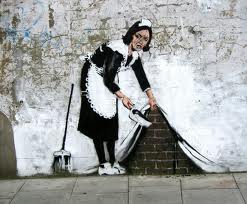
King Hamad’s Youth Outreach Program
“I didn’t do anything. I love the King” the boy says, as he is yanked from the alley way.
January 20, 2012 Add Comments
King Hamd scams suspended F1 employees with offer to return for hush money
Sacked Bahrain F1 staff stay out
20 January, 2012 – Bill Law – BBC
The row over 29 sacked Formula 1 employees deepened on Thursday when it emerged that most have yet to return to work.
The workers were fired for allegedly participating in protests against the government of King Hamad Bin Isa Al Khalifa.
Out of 29 who lost their jobs, only three have come back.
Twelve others who were asked to return have refused, saying that the terms of a new contract are unfair. They say the contract fails to restore lost pay and benefits. They are also being asked to drop cases brought for unfair dismissal.
The 29 were among more than 1,600 Bahrainis summarily dismissed from their jobs last year in both the private and public sectors.
In a bid to defuse tensions, King Hamad issued a royal decree last week instructing that all those who had been sacked be allowed to return to work.
The decree came in the wake of a report late last year by the Bahrain Independent Commission of Inquiry (BICI).
The Crown Prince of Bahrain is said to be a huge fan of Formula One The Crown Prince of Bahrain is said to be a huge fan of Formula 1
The king had ordered the independent investigation after the violent suppression of protests by security forces left more than 50 people dead in the tiny Gulf state.
Damning verdict
Chaired by the distinguished Egyptian lawyer, Professor Cherif Bassiouni, the report proved to be a damning indictment of King Hamad’s government.
Mr Bassiouni documented numerous human rights abuses and systematic torture of detainees in February and March.
His report also examined the cases of employees who were sacked for allegedly supporting pro-democracy protests. Nearly all of those affected were Shia Muslims.
Bahrain has a Shia majority population but is ruled over by a Sunni Muslim family, the Al Khalifa. The Shia community has long complained of discrimination at the hands of the Al Khalifa. …more
January 20, 2012 Add Comments
Arbitrary attack on group of women in Bahrain – 20 January
January 20, 2012 Add Comments
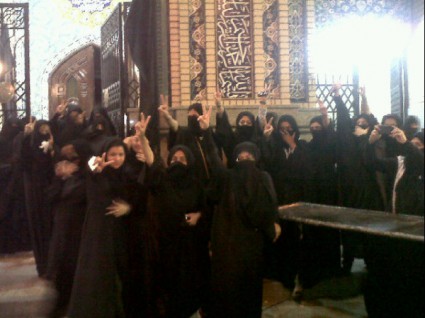
Silent Protest in Bahrain – 20 January
January 20, 2012 Add Comments
The Air Show, the “Black Smoke” Campaign
Bahrain Special: The Air Show, the “Black Smoke” Campaign, and the Dark Arts of Regime Propaganda
20 January, 2012 – by John Horne – EA Global
The Bahrain International Airshow began on Thursday. Continuing today, it is the first major international event in the kingdom since the crackdown on citizens calling for democratic reform. The al-Khalifa ruling family hope it will attract significant investment to the Kingdom while building close ties and relations with businesses, governments and militaries overseas.
The air show is an exclusive affair to which only 40 select corporations, each paying $160,000, have been invited. Even with Avaaz’s campaign to encourage a boycott of the F1 Grand Prix, the Air Show is a much more significant, and cynical, event in the guise of entertainment. It provides a forum for networking such as this:
BDF Commander-in-Chief Field Marshal Shaikh Khalifa bin Ahmed Al Khalifa meets with British Defence Ministry Undersecretary Lord Astor and Defence Senior Advisor on Middle East Lieutenant General Simon Mayall. Also present at the meeting are British Ambassador to Bahrain Ian Lindsay and British Military Attaché Commodore Christopher Murray
A subsequent feature will consider the Air Show’s place in the sale of arms to Bahrain and other member countries of the Gulf Cooperation Council (GCC), including the interest of the United Kingdom, given that a British firm, Farnborough International, organises the event. Farnborough is a subsidiary company of A|D|S, “the trade organisation advancing UK Aerospace, Defence and Security industries”. On Tuesday, A|D|S launched its “Flying Forward” campaign in the House of Commons, aimed at expanding the export of UK aerospace equiptment manufactured by companies such as BAE Systems, EADS, GKN and others. This comes at a time when British economic strategy is based on shifting from a net importer to a net exporter of goods — a tricky proposition given the UK has very few major manufacturing industries left, with the notable exception of weapons and military systems.
For now, however, a look at the protests by Bahrainis against the Air Show, in particular, the burning of tyres to create vast plumes of black smoke to cover the sky (see Friday’s Live Coverage).
Opposition activists in Bahrain have often used tyre-burning as a show of defiance and as a means of blocking roads. Yesterday’s national tyre burning campaign was united under the banner “Mourning in the Sky”. Many of these actions were led by the “February 14” youth movement, a loose coalition of activists seen by some as a much more confrontational wing of the opposition.
The “Mourning in the Sky” tyre-burning was predominantely a protest demanding the immediate release of opposition leader and founding member of the Al-Wefaq Party, Hasan Mushaima. Mushaima, who suffers from cancer, was sentenced to life by the regime last summer, accused of seeking to overthrow the Royal Family. The protest, in solidarity with the tyre burning in Dar Kulaib village against the Air Show, took place in locations across the country, including Sitra, Tubli, Karrana, Salmabad, Isa Town and Nuwaidrat. …more
January 20, 2012 Add Comments
Sadly updated, Bahrain Feb14 Revolution’s 59 Martyrs
Sadly updated, #Bahrain Feb14 Revolution’s 59 Martyrs (With Dates & cause of death):
1- Martyr Ali Mushaima – 14 February 2011 – Killed by birdshot in Al Daih
2- Martyr Fadhil Salman Al Matrook – 15 February 2011 – Killed by birdshot during the funeral of martyr Ali Mushaima
3- Martyr Ali Mansoor Khudair – 17 February 2011 – Killed by birdshot during the first lulu attack
4- Martyr Mahmood Abu Taki – 17 February 2011 – Killed by birdshot during the first lulu attack
5- Martyr Ali Mo’men – 17 February 2011 – Killed near Lulu and left to die on the street
near Al Gufool traffic lights
6- Martyr Isa Abdul Hussain – 17 February 2011 – Killed by splitting his head open near SMC
7- Martyr A. Redha Bu Hameed – 19 February 2011 – Killed by live rounds near Lulu
8- Martyr Fadk (infant) – 27 February 2011 – Born dead after her mother’s grief on relative martyr Ali Mushaima
9- Martyr Ali Ebrahim Damistani – 13 March 2011 – Police ran-over him on the fly over near lulu
10- Martyr Ahmed Farhan – 15 March 2011 – Direct shot to the head split his head open in Sitra
11- Martyr Jafar Mohammed Salman – 16 March 2011 – Shot dead in the 2nd lulu attack
by army
12- Martyr Ahmed Abdullah Al Arnoot – 16 March 2011 – Killed by birdshot in the 2nd lulu attack
13- Martyr Jafar Abdullah Al Ma’yoof – 16 March 2011 – Killed by birdshot in the 2nd lulu attack
14- Martyr Isa Radhi Al Radhi – 19 March 2011 – Tortured to death in Sitra
15- Martyr A. Rasool Al Hujairi – 20 March 2011 – Tortured to death by regime mercenaries
16- Martyr Jawad Mohammed Al Shamlan – 21 March 2011 – Shot in the stomach and leg and left dead on the street
17- Martyr Fatima Taqi Al Mosawi – 21 March 2011 – Sickle cell patient, died in the SMC invasion by the army
18- Martyr Bahia A. Rasool Al Aradi – 21 March 2011 – Shot dead by two live bullets of an army sniper near Al Qadam roundabout
19- Martyr Hani A. Aziz – 24 March 2011 – Killed by birdshot in Al Bilad
20- Martyr A. Aziz Ayad – 24 March 2011 – Tortured to death in Al Qurain prison
21- Martyr Isa Mohammed – 25 March 2011 – Suffocation from tear gas in Al Ma’ameer
22- Martyr Sayed Ahmed Sayed Shams (15 y/o) – 30 March 2011 – Direct shot by tear gas canister to his head in Saar
23- Martyr Hasan Jassem Al Fardan – 4 April 2011 – Tortured to death in prison
24- Martyr Khadija Mirza Al Abdul Hay – 5 April 2011 – Suffocation from tear gas in Sanabis
25- Martyr Sayed Hameed Mahfoodh – 6 April 2011 – Killed and thrown in a garbage can
in Saar
26- Martyr Ali Isa Saqer – 9 April 2011 – Tortured to death in prison
27- Martyr Zakrya Rashid Al Asheeri – 9 April 2011 – Tortured to death in prison
28- Martyr Kareem Fakhrawi – 9 April 2011 – Tortured to death in prison
29- Martyr Aziza Khamees – 16 April 2011 – Died after a house raid in Al Bilad
30- Martyr Mohammed Abdul Hussain Farhan (6 y/o) – 30 April 2011 – Suffocation from tear gas in Sitra
31- Martyr Zainab Al Tajer – 2 June 2011 – Suffocation from tear gas in Sanabis
32- Martyr Salman Isa Abu Edrees – 3 June 2011 – Tortured to death in SMC
33- Martyr Jaber Al Alaiwat – 12 June 2011 – Died 1 day after being released from prison due to torture
34- Martyr Hasan Al Sitri – 19 June 2011 – Stabbed in the back in Nuwaidrat
35- Martyr Sayed Adnan Sayed Ahmed Hasan – 23 June 2011 – Suffocated from tear gas in Duraz
36- Martyr Majeed Mohammed Ahmed – 2 July 2011 – Killed by birdshot in Sehla (bullet in his skull stuck since March)
37- Martyr Zainab Hasan Al Jumaa – 15 July 2011 – Suffocated from tear gas in Sitra
38- Martyr Saeed A Taweel – 31 July 2011 – Suffocated from tear gas in Sitra
39- Martyr Ali AlShaikh (14 y/o) – 31 August 2011 – Shot by tear gas canister on the neck
after Eid Al Fitr prayers
40- Martyr Sayed jawad Ahmed Hashem – 14 September 2011 – Suffocatted from tear gas in Sitra
41- Martyr Jaffar Yousif – 18 September 2011 – Tortured to death after a house raid in Karzakan
42- Marytr Jaffar Lotfallah – 30 September 2011 – Suffocated from tear gas in Abu Saiba
43- Martyr Ahmed Al Qattan – 6 October 2011 – Killed by birdshot in Abu Saiba
44- Martyr Reyadh Al Karani – 29 October 2011 – Killed by birdshot and a stun grenade
45 – Martyr Ali Daihi – 3 November 2011 – Beaten to death in front of his house
46- Martyr Ali Badah – 19 November 2011 – Killed after police ran-over him and crushed him to a wall in Juffair
47- Martyr A. Nabi Al Aqel – 23 November 2011 – Killed after police ran-over him in Aali
48 – Martyr Zahra Saleh – 7 December 2011 – Killed be a metal rod into her skull in Daih
49 – Martyr Sajeda Jawad (6 days old) – 11 December 2011 – Blood poisoning caused by toxic gas
50 – Martyr Ali Al Qassab – 15 December 2011 – Ran-over after regime thugs chased him into the street during OccupyBudaiyaSt
51- Martyr A. Ali Mowali – 17 December 2011 – Suffocated from toxic gas in Meqsha
52- Martyr Sayed Hashim Sayed Saeed – 31 December 2011 – Direct shot on the neck by a gas canister
53- Martyr Fakhriya Jassim Al Sakran – 3 January 2012 – Suffocated from tear gas in Jid Ali
54- Martyr Yousif Al Muwali – 13 January 2012 – Kidnapped by police, tortured to death and dumped in Amwaj
55- Martyr Salma A. Mohsen Abbas – 14 January 2012 – Suffocated from tear gas in Barbar
56- Martyr Yaseen Jassim Al Asfoor – 20 January 2012 – Suffocated from tear/toxic gas in Al Ma’ameer and struggled in hospital for a month before he was martyred
57- Martyr Mohammed Al Khunaizi – 20 January 2012 – Suffocated from tear/toxic gas in al Meqsha
Two Foreign Martyrs:
58- Martyr Steven Abraham (Indian) – 15 March 2011 – Shot dead by the army in Al Hajar during his work shift as security for a Dairies company
59- Martyr Aklas Meya (Bengali) – 15 March 2011 – Shot dead and ran-over by army in Sitra after he tried to defend the women
January 20, 2012 Add Comments